
Uniform Attrition: How to Plan for What Gets Lost
Uniform attrition is the gap between what you issued and what you can account for at the end of the year. Every business has it. The ones that plan for it spend less on uniforms than the ones that are surprised by it.
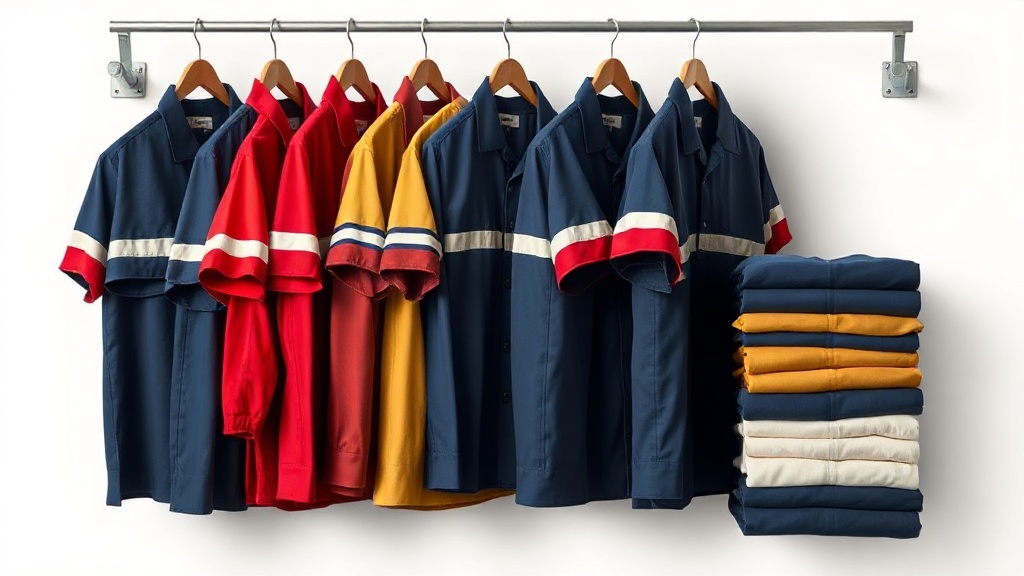
What Attrition Actually Costs
Attrition is not just the shirts that leave with departing employees. It includes garments damaged by bleach or oil that cannot be recovered, shirts that wear out before the planned refresh cycle, and items issued but never returned at separation. In food service, this number runs 20 to 30 percent of your total uniform inventory per year.
On a 20-person front-of-house team with two polos per employee, you have 40 shirts in circulation. A 25 percent attrition rate means 10 shirts leave the program every year from all causes combined, separate from any growth in headcount.
Attrition Rates by Industry
Food service runs the highest attrition because of the combination of high turnover, harsh washing conditions, bleach exposure, and physical wear. Plan for 20 to 30 percent annually. Retail environments see 15 to 20 percent. Corporate office environments with lower turnover can budget 8 to 12 percent.
Your own historical data is the best input. Track what you issue and what you recover over two quarters. The resulting rate is your attrition baseline. If you do not have that data yet, start with 20 percent and adjust based on what you observe.
Building Attrition Into the Budget
The simplest method: add your attrition rate as a percentage of your annual uniform budget as a separate reserve line. If your initial uniform program costs $1,200 for 20 employees, reserve $240 as an annual attrition replacement fund. When replacements are needed, draw from that reserve rather than making unbudgeted purchases.
Keeping a small transfer stockpile, ordered at volume to capture discounts, means you can press a replacement shirt in under an hour when a uniform is damaged. You are not waiting on a new transfer order each time.
Reducing Attrition Without Adding Overhead
Two practices reduce attrition meaningfully. First, issue uniforms with a care card that explains wash temperature, dryer settings, and bleach warnings. Most premature uniform failure is a wash cycle issue, not a garment quality issue. DTF prints hold through 50-plus wash cycles at 40 degrees Celsius when cared for correctly.
Second, use a simple checkout record at issuance. Even a paper log that records employee name, date, and size issued creates enough accountability to reduce the shirts that walk out permanently. It does not need to be a formal system. It just needs to exist.
Sadie also wrote about
Restaurant Uniform Program
Operational playbook for shops, teams, and organizations.
Restaurant Polo Guide
Operational playbook for shops, teams, and organizations.
Gang Sheet Pricing
How to plan, size, and price gang sheets for max yield.
Cotton Fleece Guide
Fabric-specific press notes for reliable DTF prints.