
Cotton Fleece Guide: DTF on Heavy Fleece
Heavy cotton fleece presses differently than jersey knit. This guide covers the settings, pre-press technique, and garment-specific notes for the three most popular fleece blanks in decorated apparel.
Why Heavy Fleece Behaves Differently
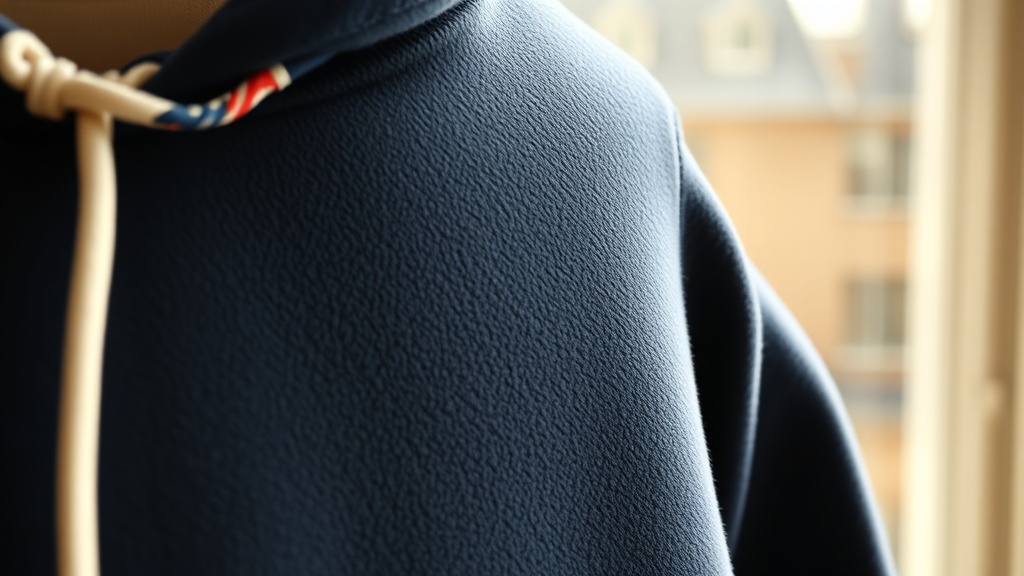
Heavy cotton fleece, typically 8 to 10 oz, behaves differently from jersey knit under the heat press. The looped backing creates air pockets that interfere with even heat distribution across the print area. This means the surface the transfer bonds to is not as flat or dense as a standard tee. That texture is the core challenge of pressing DTF on fleece, and it is solved with pressure and a proper pre-press, not by increasing temperature.
Recommended Settings for Cotton Fleece
These settings work reliably across all major cotton fleece blanks. Pressure matters more on fleece than almost any other substrate because the looped surface needs firm contact to transfer the adhesive layer cleanly.
- Temperature: 315°F
- Dwell time: 15 seconds
- Pressure: medium-firm
- Peel: cold peel only (wait at least 15 seconds after pressing)
- Cover sheet: silicone sheet or parchment over the transfer
- Pre-press: 5 seconds with no transfer to flatten the surface and drive out moisture
Multi-Stage Pressing for the Thickest Fleece
For hoodies and sweatshirts above 8.5 oz, a two-stage press produces more consistent adhesion than a single long dwell. Press at 315°F for 8 seconds, lift, reposition with a cover sheet over the transfer, then press again at 315°F for 8 more seconds. The first stage melts the adhesive into the looped fabric surface; the second stage drives it into the cotton fiber beneath.
This method is especially useful on Comfort Colors 1717 and Gildan 18500. Both retain moisture longer than lighter blanks and benefit from the re-seating that happens when you reposition and press a second time. The two-stage approach also reduces shine marks compared to a single 18-second dwell at full heat.
Garment-Specific Notes
Comfort Colors 1717 is 100% ring-spun cotton at 6.1 oz after enzyme washing, but it presses like a heavier blank because of the garment-dye process. Pre-press every time. The surface can be slightly uneven across dye lots, and a firm flat pre-press corrects that before you lay the transfer.
Independent Trading SS4500 is 8.5 oz with a clean, consistent surface that takes DTF well. Minimal pilling. Standard settings apply with no adjustments.
Gildan 18500 is 8 oz and the most forgiving fleece for DTF in this tier. It presses consistently at 315°F for 15 seconds with no surprises. A reliable blank for high-volume fleece runs.
Common Mistakes to Avoid
Skipping the pre-press is the most common error on fleece. Moisture trapped in thick cotton fleece causes adhesion failure that shows up after the first or second wash. Five seconds of pre-press time prevents this entirely.
- Do not use light pressure: fleece needs full contact to bond correctly
- Do not hot-peel: fleece retains heat and a warm peel stretches or distorts the print
- Do not skip the pre-press, even if the garment feels dry to the touch