Blank Polos: Corporate Uniform Default, Restaurant-Certified Subset
The polo catalog broken into the two customers that actually order it. Corporate uniform buyers on one side, restaurant program buyers on the other, with the specific SKUs each one earns.
- Ships in 24 Hours
- No Minimums
- Wash-Tested Guarantee
Port Authority K-series and Sport-Tek, sorted by program type.
Corporate staples, restaurant-ready fabrics, and performance mesh. Each card links to full color selection, size runs, and decoration recommendations.
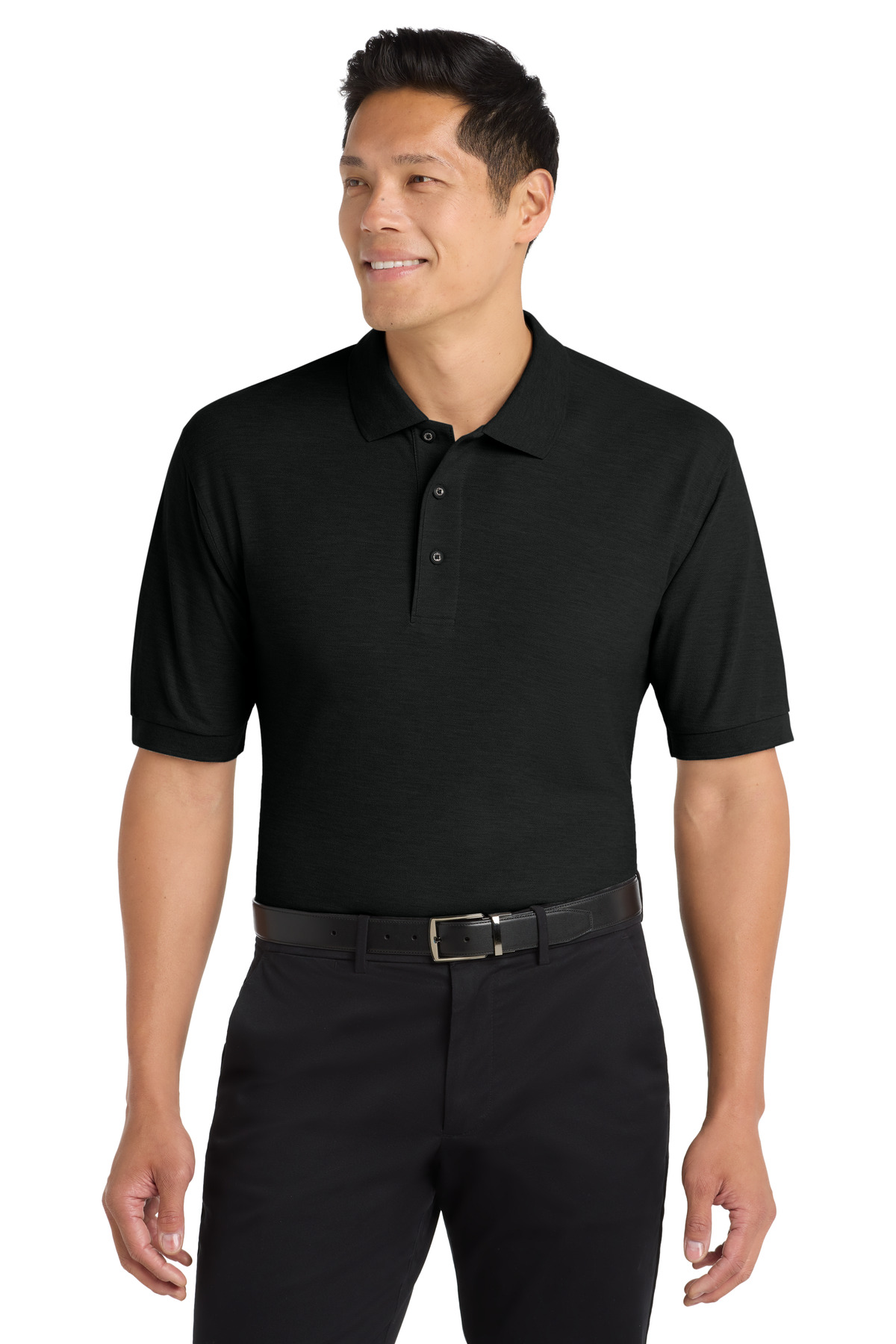
Port Authority
Port Authority Silk Touch Polo
From $18.06
K500 · Poly-cotton silk touch
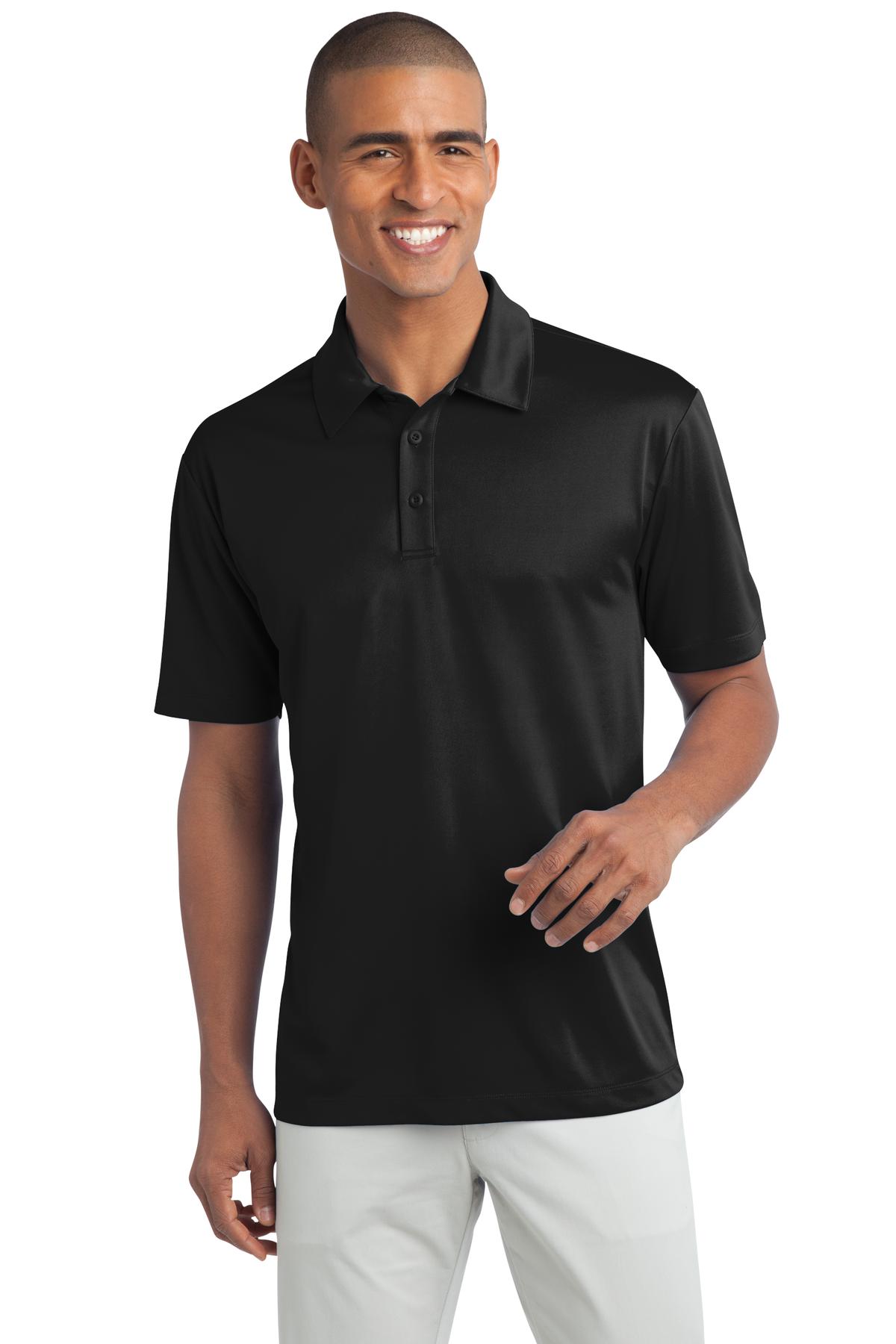
Port Authority
Port Authority Silk Touch Performance Polo
From $16.40
K540 · Polyester performance pique
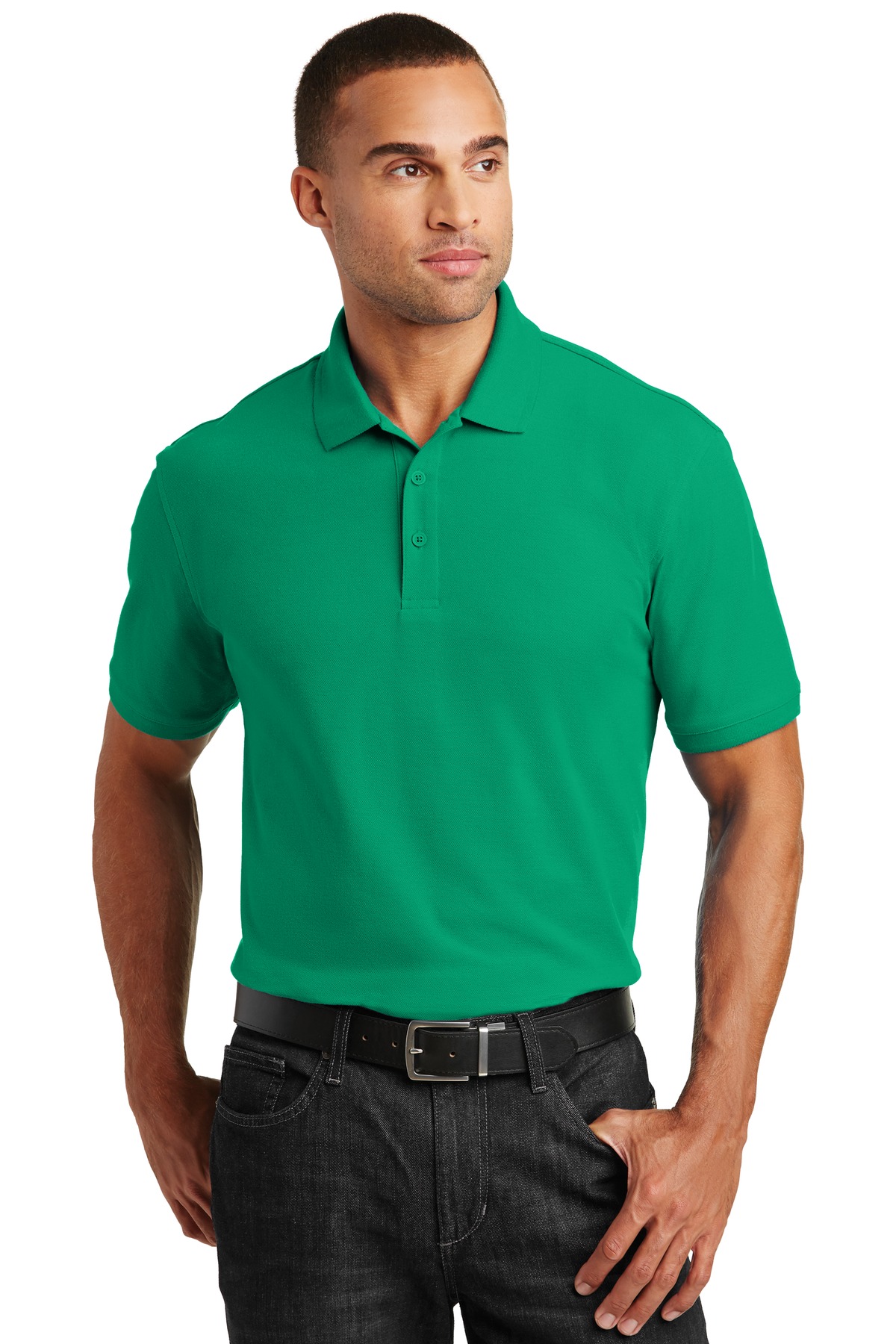
Port Authority
Port Authority Core Classic Pique Polo
From $14.72
K100 · Cotton-poly pique
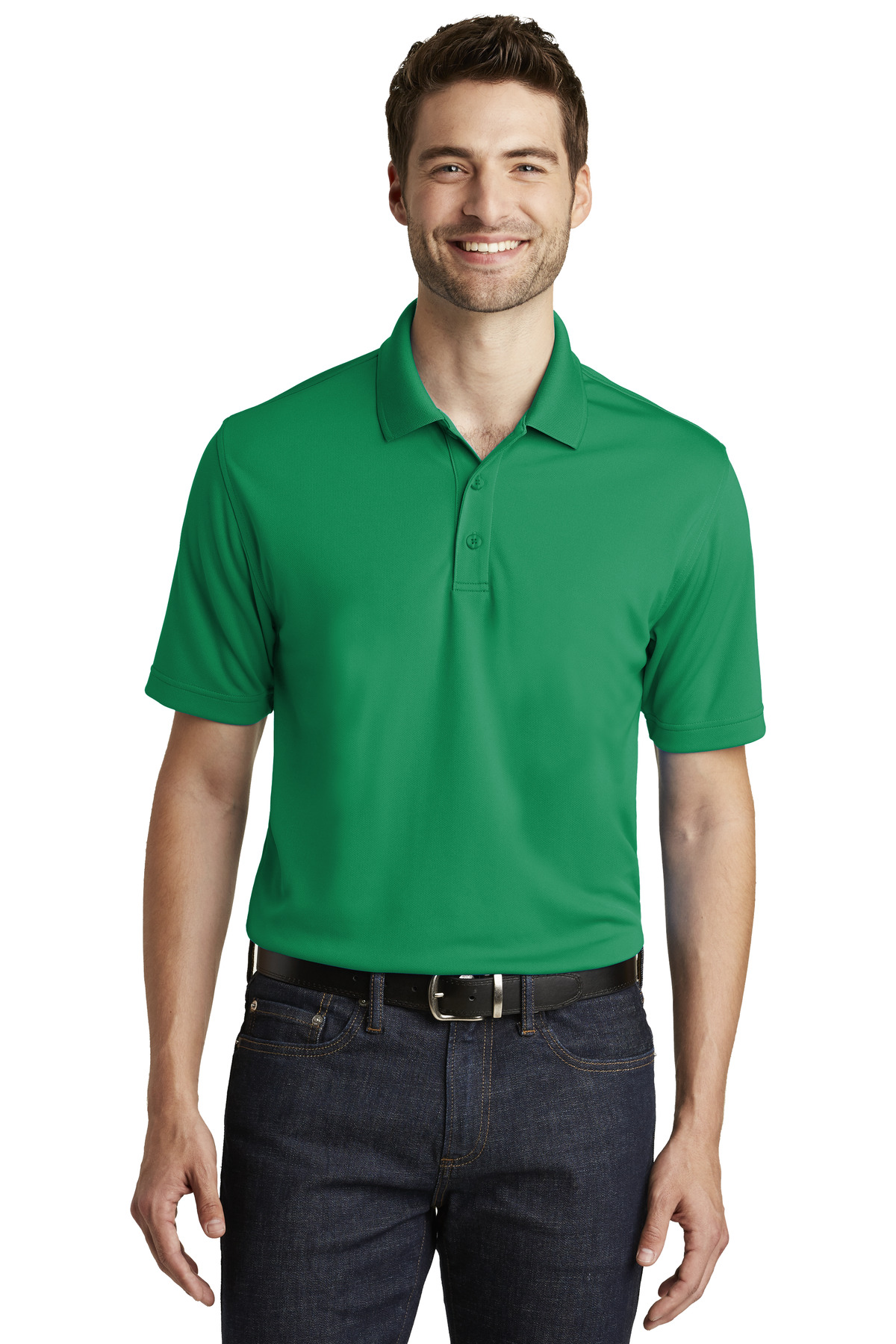
Port Authority
Port Authority Dry Zone UV Micro-Mesh Polo
From $17.24
K110 · UV protection, moisture-wicking
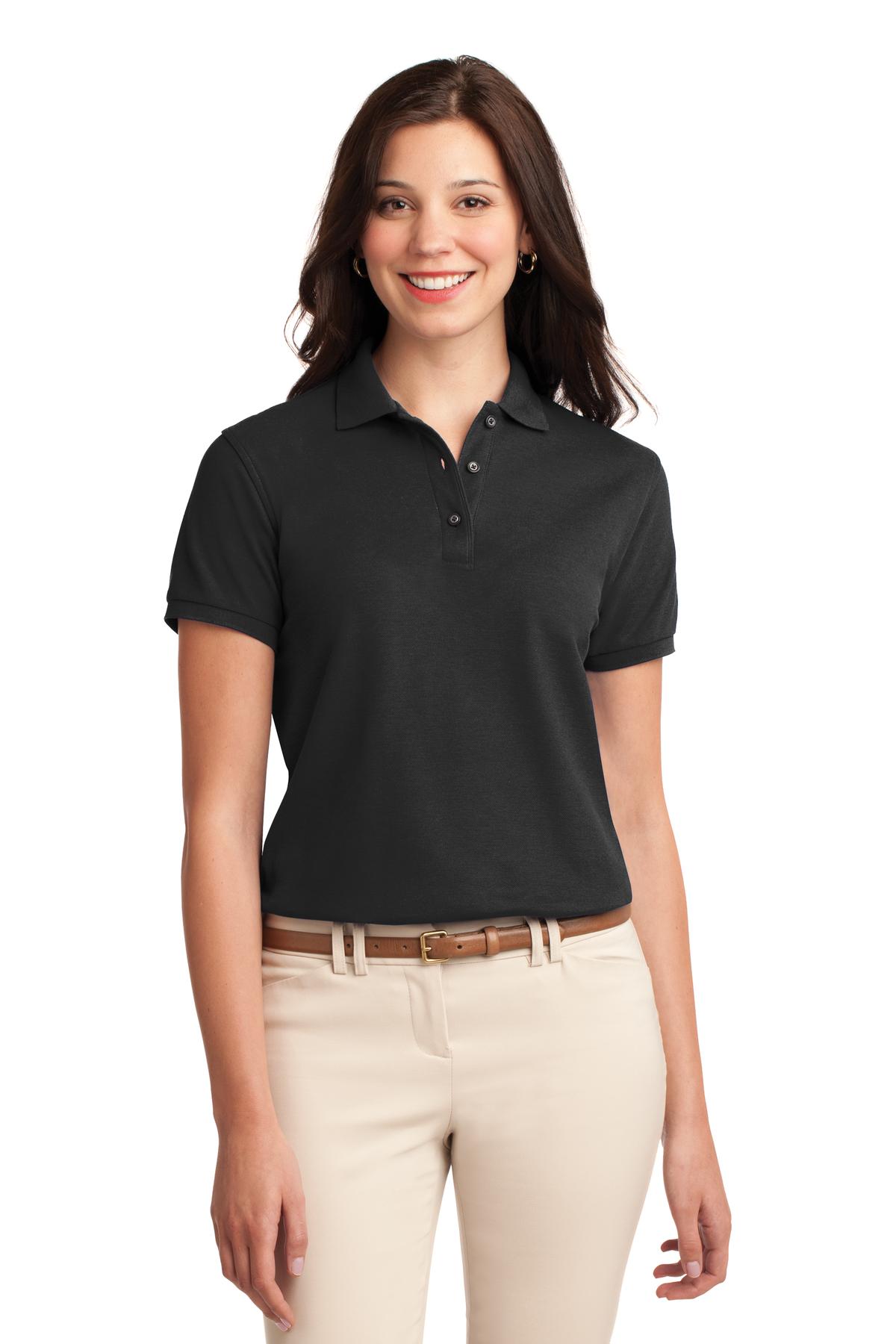
Port Authority
Port Authority Women's Silk Touch Polo
From $18.06
L500 · Women's fit poly-cotton
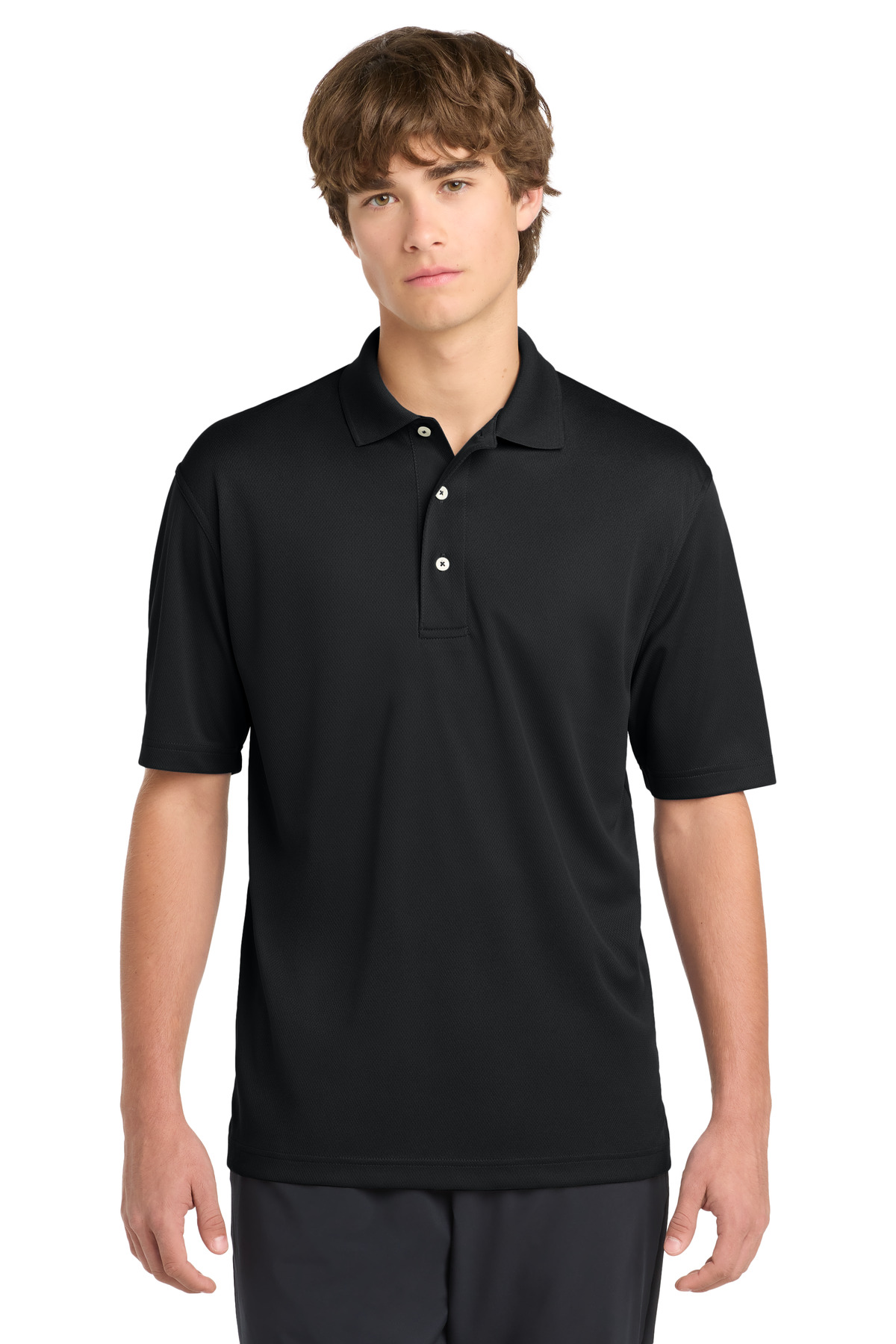
Sport-Tek
Sport-Tek Dri-Mesh Polo
From $22.26
K469 · 100% polyester mesh
Short version, straight from the floor.
Almost every polo order in this industry ends up at one of two customers: a corporate uniform buyer running a 40 to 400-person office refresh, or a restaurant owner outfitting front-of-house staff. Both need durability. Both need consistency across sizes.
Ordering DTF on a polo that will get embroidered next year. If the customer is going to embroider the same logo six months from now, do embroidery now and skip the DTF interim. Layering decoration methods on the same polo is expensive and rarely looks right. Pick the terminal method first and commit.
Buying cheap poly-cotton polos for restaurant programs. Restaurant kitchens run commercial detergent that strips colored polyester within 30 washes. A $6 poly-cotton polo becomes a $60 problem when the whole staff needs re-outfitting six months in. The restaurant-certified subset costs 30 percent more and lasts 4x longer. Buy up.
Matching polo color to embroidery thread without checking stock. Some polo colors are seasonal. Ordering 40 spring-blue Port Authority K500s for a fall program means you either wait 8 weeks or accept a color mismatch across sizes. Confirm all sizes are in stock in the exact color before decorating.
Skipping the wash test on a new restaurant program. Before you order 40 polos for a restaurant, order one, decorate it with the intended method, and put it through the restaurant's actual laundry cycle three times. If it comes back the way it went in, order the 40. If it does not, we can catch the fix on one polo instead of on 40.
A production-floor definition, not a spec sheet.
Almost every polo order in this industry ends up at one of two customers: a corporate uniform buyer running a 40 to 400-person office refresh, or a restaurant owner outfitting front-of-house staff. Both need durability. Both need consistency across sizes. Both need a decoration method that survives commercial laundry. The details of what wins on each side are different enough that we split the catalog by buyer rather than by manufacturer.
Corporate uniform polos default to Port Authority. K500 (mid-weight pique) for the traditional office program, K540 (silk-touch) for a cleaner boardroom look, and Nike Dri-FIT when the customer wants the athletic aesthetic and does not mind paying for the swoosh. Every corporate polo here has embroidery-ready specs (backing, stitch density) and a fauxbroidery compatibility rating so the buyer can pick the decoration to match the lifecycle.
Restaurant polos are their own animal. Front-of-house staff hit these with commercial detergent, spilled marinara, and 12-hour shifts. The polos we recommend here have to survive high-temp wash without shrinking beyond 5 percent, hold color through 100 cycles, and press cleanly with embroidery or fauxbroidery. Cheap poly-cotton polos fail on wash 20. Our restaurant-certified subset is smaller for a reason: only the SKUs that actually make it through the wear cycle we recommend get the badge.
The decoration decision on polos is the honest-advice moment we build the brand around. If the customer is going to keep these polos five years, embroider them. If the program refreshes annually, fauxbroider them. If the design is a full-color chest print (rare on polos), press DTF. Every polo SKU on this hub carries the right-method call in bold at the top.
The roles and jobs this hub actually serves.
- Restaurant owners ordering front-of-house staff apparel with commercial wash requirements (Journey 2).
- Corporate uniform buyers running program apparel across office populations (Journey 5).
- Country clubs, spas, and hospitality programs specifying custom staff polos.
- Trades and service businesses (HVAC, landscape, real estate) needing embroidered polos for branded visibility.
- Corporate golf outings and event coordinators ordering branded polos for one-time programs.
- Print shops and embroidery shops maintaining polo stock for local walk-in program orders (Journey 3).
Every hub connects to real product decisions.
These are the specific transfers, blanks, methods, and programs we would put next to this hub in a real production conversation. Not a link farm. Every row is a pairing we actually recommend.
Best-with brands
- Port Authority Polos
The corporate default. K500 (pique), K540 (silk-touch), K110 (dry zone).
- Nike Dri-FIT Polos
When the customer wants the athletic aesthetic and pays for it.
- Sport-Tek Polos
Performance polos for golf outings and staff activewear.
- Blanks Catalog
Full polo selection with buyer-matched sorting.
Best-with decoration
- Embroidery Guide
The five-year rule and when embroidery wins on polos.
- Fauxbroidery Hub
Mid-lifecycle program polos where fauxbroidery undercuts embroidery.
- DTF Transfers Hub
Full-color chest prints on cotton-poly polos, when the design earns it.
- Restaurant Apparel Program
Restaurant-certified polos and decoration bundles.
Method deep-dives
- Embroidery
The category-defining method for polos. Highest perceived value on collars.
- Fauxbroidery
The stitched-look DTF that fills in when a small left-chest budget cannot afford real thread.
- DTF Transfers
Full-color chest prints on cotton-poly polos, temp windows documented.
- Screen Printing
Bulk uniform runs where a single spot color across 300 polos beats DTF on cost.
The polo picked for the customer, decorated for the lifecycle.
No account required. No minimums. Volume tiers auto-apply at checkout.
- Ships in 24 Hours
- No Minimums
- Wash-Tested Guarantee
Common polo mistakes on program orders.
Ordering DTF on a polo that will get embroidered next year.
If the customer is going to embroider the same logo six months from now, do embroidery now and skip the DTF interim. Layering decoration methods on the same polo is expensive and rarely looks right. Pick the terminal method first and commit.
Buying cheap poly-cotton polos for restaurant programs.
Restaurant kitchens run commercial detergent that strips colored polyester within 30 washes. A $6 poly-cotton polo becomes a $60 problem when the whole staff needs re-outfitting six months in. The restaurant-certified subset costs 30 percent more and lasts 4x longer. Buy up.
Matching polo color to embroidery thread without checking stock.
Some polo colors are seasonal. Ordering 40 spring-blue Port Authority K500s for a fall program means you either wait 8 weeks or accept a color mismatch across sizes. Confirm all sizes are in stock in the exact color before decorating.
Skipping the wash test on a new restaurant program.
Before you order 40 polos for a restaurant, order one, decorate it with the intended method, and put it through the restaurant's actual laundry cycle three times. If it comes back the way it went in, order the 40. If it does not, we can catch the fix on one polo instead of on 40.
The reading before you place the order.
Port Authority K500 vs K540
Pique vs silk-touch, decorated cost, and which buyer picks which.
Restaurant Polo Buyer Guide
The wash-cycle math that decides the SKU.
Corporate Uniform Refresh Cycles
How often to refresh a corporate polo program and how to plan for it.
Embroidery vs Fauxbroidery On Polos
The lifecycle threshold that flips the method.
The polo picked for the customer, decorated for the lifecycle.
Every polo on this hub has a decoration recommendation. Order the shirt and the decoration together, one supplier, one ship notification.
- Ships in 24 Hours
- No Minimums
- Wash-Tested Guarantee