Sublimation vs Poly-Blocker DTF on Dark Polyester
Dark polyester is where sublimation fails completely and standard DTF runs into dye migration. Poly-blocker DTF exists specifically for this problem. Here's how it works and when it's your only real option.
The Dark Polyester Problem
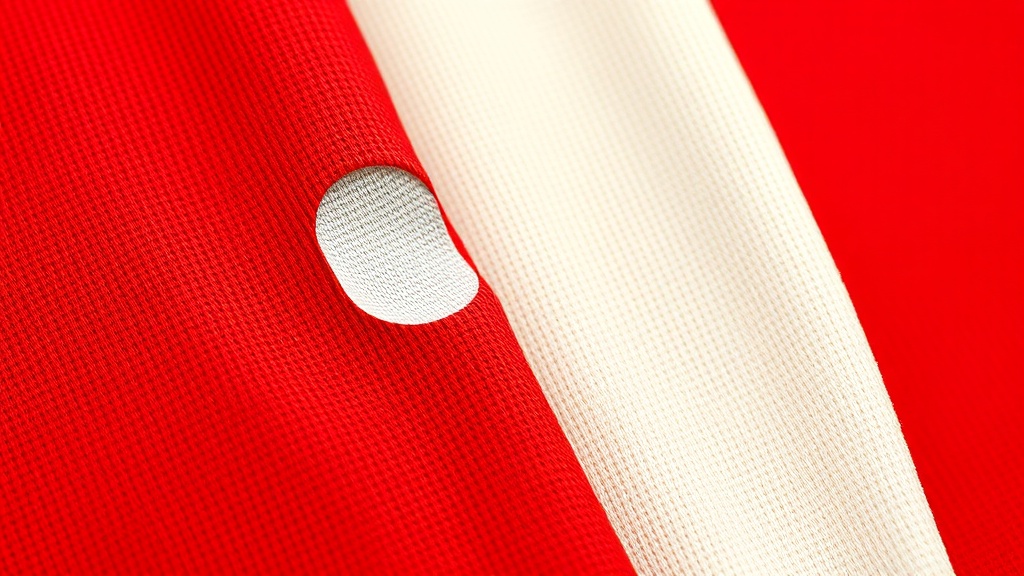
Red, royal, maroon, black, and bright athletic polyester fabrics contain reactive dye that is not fully stable under heat. When you press a standard DTF transfer at 310°F, the heat activates the fabric dye and it migrates up through the adhesive layer into your print. The result is a discolored, washed-out print that looks nothing like the artwork you approved.
This is not a defective transfer. It is a chemistry problem. The dye in the polyester sublimes under heat, using the same mechanism sublimation printing relies on intentionally. On dark garments, that migration destroys the visual integrity of the print. The worse the original fabric color saturation, the worse the migration.
Why Sublimation Cannot Help Here
Sublimation prints with transparent dyes. The process requires a white or light fabric base to show correct color. On a black, red, or deep navy polyester garment, the fabric's base color dominates and the sublimation ink has nothing to reflect off. The result looks muddy, undersaturated, and unusable. There is no adjustment or workaround that fixes this.
This is a hard physics limitation. The process requires a light base. No amount of ink saturation, extra passes, or technique changes makes sublimation print legibly on dark fabric. If your job is dark polyester with vibrant full-color art, sublimation is not an option.
How Poly-Blocker DTF Actually Works
Poly-blocker DTF adds a white barrier layer beneath the color layers of the transfer. That white layer does two things: it physically blocks the rising fabric dye from reaching the color ink above it, and it provides a white ground for the CMYK colors to sit on, which is what makes the print vibrant on a dark substrate.
Think of it as a built-in foundation coat inside the transfer film itself. You do not need a separate process step or a special press cycle. You apply the poly-blocker transfer the same way you would a standard DTF transfer: 300 to 320°F, 10 to 20 seconds, peel per the transfer instructions. The barrier layer handles the chemistry automatically.
When Poly-Blocker Is the Correct Call
Any time you're pressing onto a saturated or dark polyester garment, reach for poly-blocker. The risk with standard DTF on these fabrics is a ruined run and an unhappy customer. The poly-blocker transfer costs more than a standard transfer, but that premium is far cheaper than reprinting or replacing a batch of garments.
- Red, maroon, or scarlet polyester garments
- Royal blue and navy athletic polyester
- Black polyester performance tees and jerseys
- Any bright or saturated poly-dominant color
- CVC or tri-blend garments with high poly content in athletic colors
- Any job where you cannot afford a rerun if migration occurs
Cost and Finish Tradeoffs
Poly-blocker transfers cost more than standard DTF because of the additional white barrier layer and the print process required to lay it down correctly. The premium is real. It is also straightforwardly worth it when the alternative is a migration problem on a customer's order.
The finish is different from sublimation. Poly-blocker DTF sits on the fabric surface like any DTF transfer, so there is a hand feel. Sublimation has zero hand feel because it bonds within the fibers. For performance athletic wear where the customer specifically needs the sublimation-level tactile result, poly-blocker DTF is not a drop-in replacement. It solves the color problem on dark poly while accepting a different finish profile. Most customers do not notice or care about that distinction.
The Practical Takeaway for Decorators
If your customer hands you a red polyester soccer jersey and wants a four-color team logo pressed on it, poly-blocker DTF is the correct solution. Standard DTF will migrate. Sublimation will not produce a legible result on dark fabric. There is no third option that avoids both problems.
Keep poly-blocker transfers in your inventory alongside standard DTF whenever your shop handles athletic or uniform work. Those situations come up regularly and the turnaround expectations are usually tight. Being prepared beats explaining to a customer why their red jersey run came out washed out and unusable.