Screen Print vs DTF on Hoodies: What Matters
Hoodies are not the same as tees for either printing method. Fleece texture, fabric weight, and blend content change the math on which process gives you a clean, lasting result.
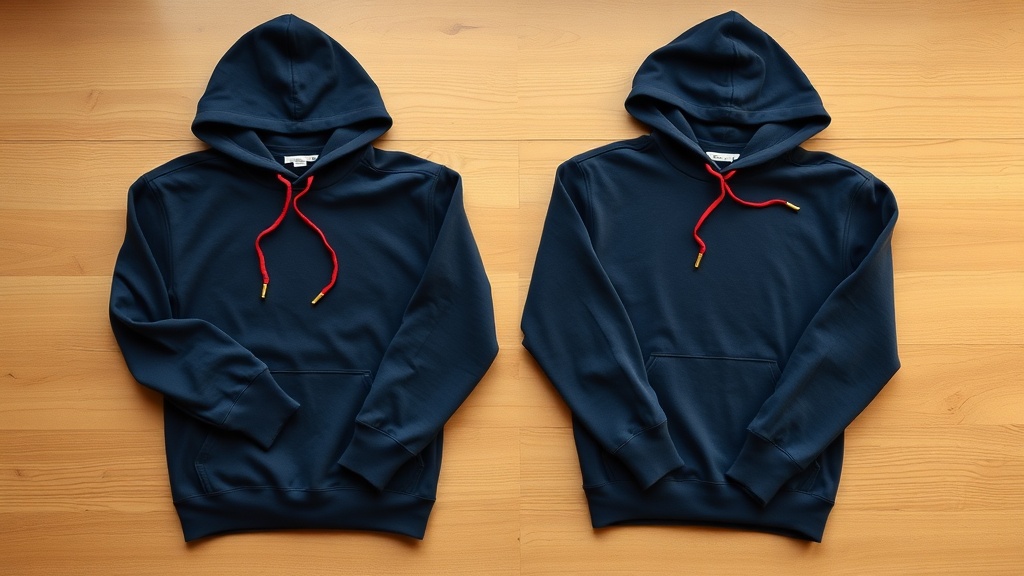
Why Hoodies Are a Different Animal
A heavyweight fleece hoodie (typically 12 to 14 oz) has texture, loft, and thickness that flat jersey tees do not. That difference matters for both screen printing and DTF. Neither method performs on hoodies exactly the way it does on a standard 5.3 oz tee. Knowing where each breaks down saves you from a bad run.
Screen Printing on Fleece: The Real Constraints
Screen printing on fleece is doable but it comes with genuine limitations. The platen must fit inside the hoodie body, which restricts print size on pullover styles. Fleece texture creates an uneven printing surface, so printers typically rely on a thicker underbase or specialty fleece inks to get the opacity they need.
The result can feel stiff. A heavy ink deposit on an already substantial fabric does not drape or flex the way it does on a thin tee. Some decorators specifically want that raised, boardy look. Others get complaints that the print feels like a sticker after washing.
Setup fees apply the same way they do for tees. A 3-color print on 30 hoodies means three screens burned before a single hoodie runs. At small quantities, that overhead is hard to justify compared to the DTF alternative.
DTF on Hoodies: Where It Excels
DTF handles fleece well. The transfer bonds to the fabric surface rather than trying to penetrate it, which means the natural texture variation in fleece doesn't degrade the print the way it can with a screen. Press at 305 to 315°F for 15 seconds with medium pressure, peel cold, and you get a clean result.
The hand feel is softer than a heavy screen ink deposit. DTF transfers are thin and flexible. On a 12 oz fleece hoodie, you won't feel a rigid rectangle on the chest after washing. The transfer moves with the fabric rather than sitting stiffly on top of it.
Fabric and Blend Considerations
Cotton fleece is the easiest substrate for DTF. Poly-cotton blends (the common 50/50) work fine at standard DTF press temps. Higher poly content raises dye migration risk, where dye from the fabric bleeds through the adhesive layer and discolors the print. For poly-heavy fleece, a poly-blocker transfer is the right call.
- 100% cotton fleece: standard DTF settings, no migration concern
- 50/50 cotton-poly fleece: standard DTF, watch your press temp
- 80%+ polyester fleece: use poly-blocker DTF to prevent dye migration
- CVC fleece: treat like a 50/50, watch for migration on red and bright athletic colors
Practicalities for Decorators Running Hoodie Orders
For small-batch hoodie decoration, DTF is the faster and more economical path nearly every time. No screens, no minimum run size, no per-color setup fees. Order your transfers, press them yourself, and ship or sell that week.
If you're running 500 or more identical hoodies with a simple 2-color logo, screen printing likely wins on per-piece cost. But most decorators running hoodie orders are not running 500 units at a time. Most are running 12 to 72 units for a team, a school, or a small brand drop. DTF is built exactly for that scenario.