
Press Temperature Reference Guide by Fabric
The right press temperature depends on the fabric, not personal preference. This reference covers the correct temperature and dwell time for every major substrate you will encounter in garment decoration.
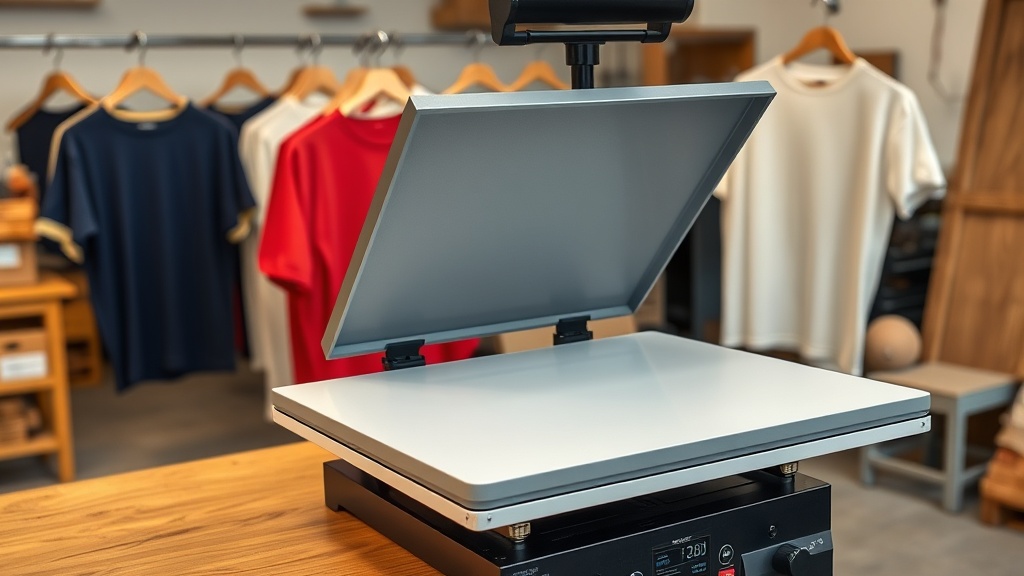
What Temperature Actually Controls
Heat press temperature does two things: it activates the adhesive powder on the DTF transfer and bonds the ink layer to the fabric fiber. Set it too low and the adhesive does not fully melt; adhesion fails and corners lift after a wash or two. Set it too high and you scorch heat-sensitive fabrics, permanently compress the weave, or activate reactive dyes in polyester and drive them upward into the print.
Press Settings by Fabric Type
Use this table as a verified starting point. Run a test press on any new fabric before committing to production.
- 100% cotton: 315°F / 15 seconds / medium pressure
- 100% polyester: 285°F / 12 seconds / medium pressure
- Cotton fleece (8-10 oz): 315°F / 18 seconds / medium-firm pressure
- Tri-blend (poly/cotton/rayon): 300°F / 15 seconds / medium pressure
- Nylon: 275°F / 15 seconds / light-medium pressure
- Canvas (cotton or cotton-poly): 320°F / 20 seconds / firm pressure
How to Read Your Press
Every heat press reads differently. A press set to 315°F may run 5 to 10 degrees hotter or cooler at the platen surface, depending on age, calibration, and how long it has been at operating temperature. An infrared thermometer costs under $30 and pays back on the first order it saves from a bad press. Verify platen temperature before running any new fabric type. Trust the thermometer, not the dial.
Blended Fabrics: Protect the Sensitive Fiber
When a garment is a blend, use the temperature that protects the most heat-sensitive fiber in the mix. A 60/40 poly-cotton blend presses at poly temps, around 290°F, not cotton temps. A 50/50 can usually handle 295 to 300°F with a cold peel and wash test to confirm. Rayon-blend fabrics need the same caution as polyester: keep temps down and use a cover sheet to protect the fabric surface from direct platen contact.
Test Once, Press Confidently
Run a test press on a scrap piece of each new fabric type you bring into the shop. Cold peel, wash once at 40°C, inspect edges and corners. Golden DTF transfers are rated for 50 or more wash cycles at 40°C when pressed at the correct settings. Get the parameters right on a test piece and you will not see edge lifting or print failure on production runs.
Sadie also wrote about