
Heat Press Mistakes and How to Fix Every One
The most common heat press mistakes are not mechanical failures but workflow errors: wrong temperature, skipped pre-press, wrong peel timing, and pressure that was never verified against the actual fabric weight.
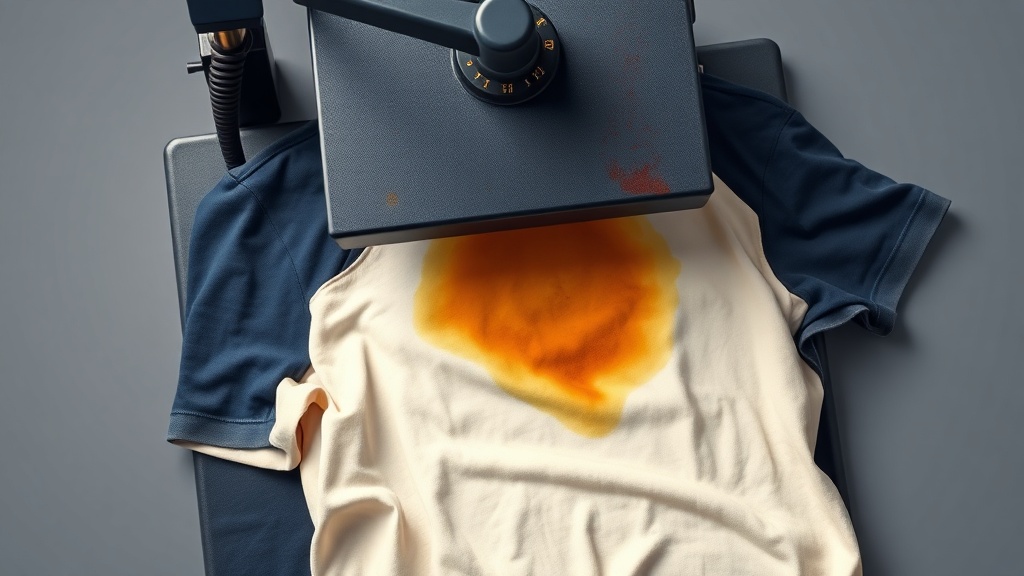
Mistake 1: Trusting the Display Temperature
The temperature on the display is a set point, not a measurement of what the platen is actually delivering. Budget presses commonly run 15-25°F below the displayed value. If you set 315°F and your platen delivers 293°F, every cotton print you press is operating below the minimum threshold for full adhesive cure.
Fix: buy a press thermometer and measure the actual platen temperature before your first production day. Measure at the center and near the edges. Document the gap and adjust your set point accordingly. This is a one-time calibration that changes your results permanently.
Mistake 2: Skipping the Pre-Press
Every garment fresh from a bag or a customer's hands has residual moisture, lint, and fabric sizing on the surface. A pre-press of 3-5 seconds with no transfer in place removes all three. Pressing a DTF transfer onto a slightly damp surface creates steam under the adhesive layer that prevents full bonding.
The pre-press also flattens the collar roll and any seam ridges that create high-pressure points under the platen. A garment that has not been pre-pressed often shows a visible line where the seam created uneven adhesion. You will see it first at the laundry.
Mistake 3: Peeling Hot
DTF transfers are cold peel. The adhesive is in a liquid state at press temperature and needs 15-20 seconds to cool and crystallize. Peeling at 5 seconds pulls partially bonded adhesive away from the fabric, especially at the edges and in fine detail areas where the adhesive layer is thinnest.
The fix is simple: set a 20-second countdown timer on your phone for the first month until cold peel timing becomes automatic. Cold peeling has no downside. It costs 20 seconds per garment and eliminates one of the top two causes of premature transfer failure.
Mistake 4: Ignoring Pressure
Most beginners set temperature and time correctly and never touch the pressure adjustment. Pressure varies by fabric weight. A medium setting on a 4.2oz premium tee is too heavy for the thin fabric and can over-compress the ink film. The same setting on an 8oz fleece may be too light to drive adhesive into the thick pile.
Adjust pressure when you change fabric weight. Lightweight tees (4.2-4.5oz): slightly lighter than medium. Standard cotton tees (5-6oz): medium. Fleece and heavy fabrics (7oz+): medium-firm. Test on a scrap blank when switching between significantly different fabric weights.
- Wrong temperature: thermometer-verify before every new press setup.
- Skipped pre-press: always pre-press for 3-5 seconds, no exceptions.
- Hot peel: wait 20 seconds minimum before touching the carrier film.
- Wrong pressure: adjust one increment when moving between fabric weight tiers.
- Misaligned design: use a center ruler or alignment board every time.