
Heat Press Basics for First-Time Decorators
Beginners struggle with the same three variables every time: temperature accuracy, pressure consistency, and cold peel timing, and fixing all three requires no new equipment, only understanding the physics.
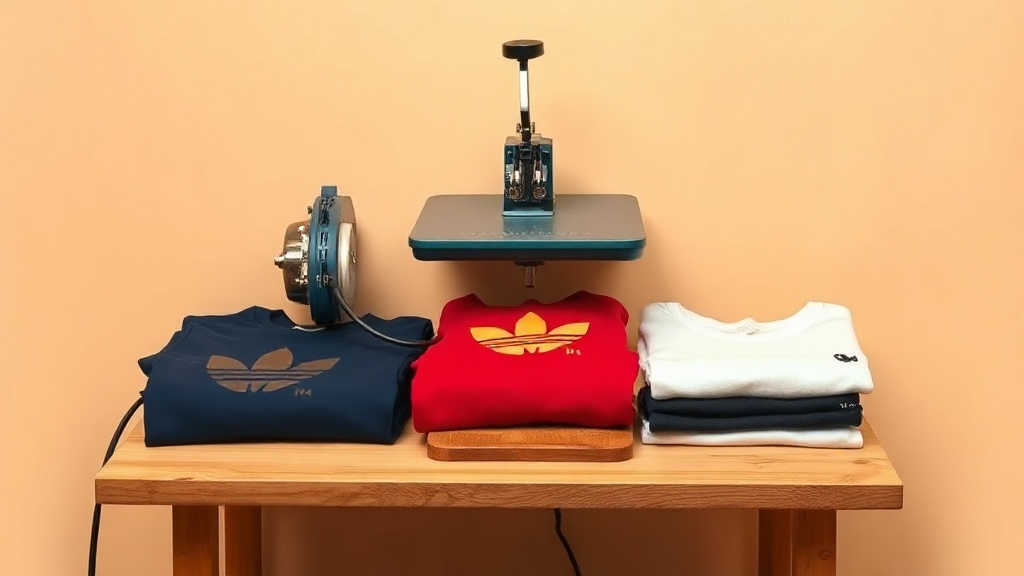
How a Heat Press Works
A heat press applies three variables simultaneously: heat, pressure, and time. For DTF transfers, heat activates the adhesive powder on the back of the film. Pressure drives that activated adhesive into the fabric fibers. Time determines whether the bond reaches full strength.
Change any one of the three and you change the result. A correct temperature with too little time produces partial adhesion. Correct time and temperature with too little pressure produces the same. All three must be within range simultaneously for a durable bond.
Temperature: What the Display Does Not Tell You
The digital display on your press shows the set point, not the actual platen surface temperature. On budget presses, this gap can be 15-25°F. A press set to 315°F that delivers 295°F at the platen will produce consistent underperformance that looks like a transfer quality problem.
Buy a press thermometer or thermal tape before you press your first production garment. Measure the actual temperature at the center and at the edges of the platen. Document the offset. If your press runs 20°F cool, set it 20°F higher and your results will immediately improve.
Pressure: Medium Means Firm
Most heat press guides say medium pressure without explaining what medium means. Medium pressure is firm enough that you cannot slide the transfer after the platen is down and light enough that you are not crushing the fabric weave into the ink layer.
On most manual presses, medium pressure is roughly 3-4 inches of spring compression or the point at which the platen feels firmly seated with some resistance. If your press has a pressure gauge, start at 40-50 psi for cotton. Adjust based on results, not feel.
Time and Cold Peel
DTF transfers need the full rated dwell time to fully activate the adhesive. Pulling the press handle at 12 seconds when the setting is 15 seconds produces a real reduction in bond strength, especially at the edges of the print where heat distribution is least uniform.
Cold peel means letting the garment cool before removing the carrier film. For DTF, wait 20 seconds minimum after the press opens. The adhesive is fully liquid at press temperature and crystallizes as it cools. Peeling at 10 seconds pulls partially cured adhesive away from the fabric.
- Verify actual platen temperature before your first production run.
- Pre-press every garment for 3-5 seconds to remove moisture.
- Do not open the press early. Run the full dwell time.
- Wait 20 seconds after pressing before peeling the carrier film.
- Inspect edges and fine detail lines on every first piece of a new style.