Variable Data Swag: Personalized Apparel
Variable data printing lets you produce 50 shirts where each one is slightly different: a name, a number, a city, a date. Here is when it makes sense, how to set up the files, and what it actually costs.
What Variable Data Means in Garment Decoration
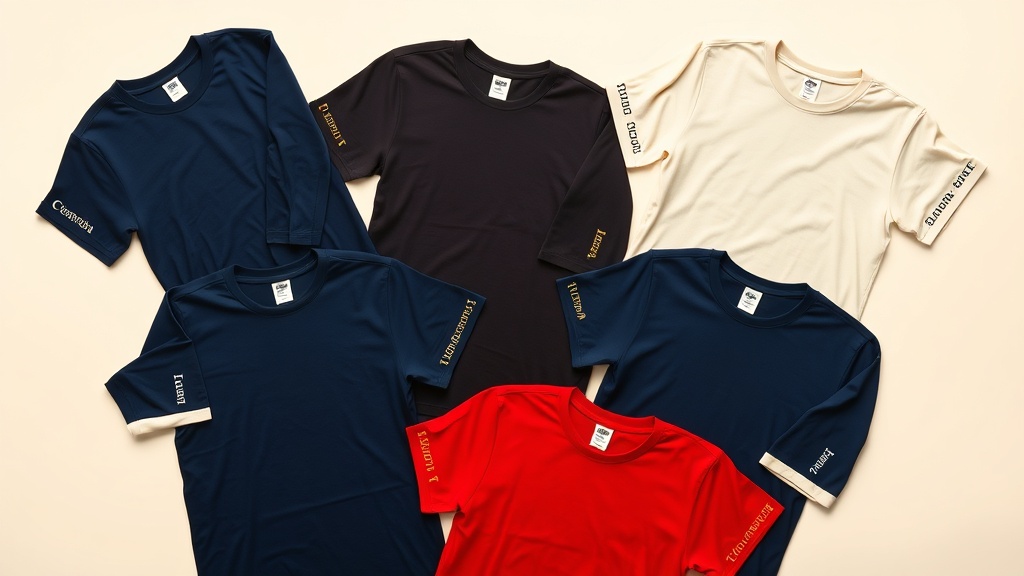
Variable data is any element that changes from piece to piece within the same order. A shirt design where the logo and layout are identical but the name changes is variable data. Employee anniversary shirts where the year differs are variable data. A race event where every finisher gets their bib number on the shirt is variable data.
DTF handles this well because each transfer is produced digitally. There are no screens to change and no plates to swap. The cost of variation is simply the cost of the additional transfer area.
Use Cases Where Variable Data Wins
Variable data is the right choice anywhere the personalization adds enough value to justify the per-piece file work.
- Employee recognition shirts (name plus years of service)
- Conference and event swag (attendee name plus company or title)
- Race and athletic event finisher shirts (name or bib number)
- Team and league apparel (name plus jersey number)
- Fundraising and donor recognition campaigns
- Graduation and class items (name plus year)
How to Set Up Variable Data Files
Build a master design with a placeholder for the variable element. Then produce individual files for each variation with the placeholder replaced by the actual data.
For small runs of 10 to 30 pieces, this is a manual process: duplicate the base file, swap the variable, export each as a 300 DPI PNG. It takes a few minutes per piece in most design tools. For 50 or more pieces, a designer familiar with data merge in Illustrator or InDesign can automate file generation from a spreadsheet.
Pricing Variable Data Orders
Each unique transfer is priced at $0.06 per square inch. A 3-inch name at 1-inch tall is roughly 3 square inches, which is $0.18 per name transfer.
Batch all names and numbers onto gang sheets organized by piece. Even with variable content, you can fit multiple names on one sheet. A $99 order earns 12% off, dropping your per-transfer cost meaningfully across a larger run.
Labeling and Delivery
Label each transfer clearly before pressing. Print the name on the backing paper or use a small adhesive label so the press operator always knows exactly which transfer belongs to which piece.
Provide a pick list matching each labeled transfer to the correct garment or bag. This takes 10 minutes to prepare and saves hours of sorting errors during the press run.
Sadie also wrote about
Team Roster Upload Format
Operational playbook for shops, teams, and organizations.
Gang Sheet Math
How to plan, size, and price gang sheets for max yield.
Gang Sheet Pricing
How to plan, size, and price gang sheets for max yield.
Launch Clothing Brand First 100 Units
First-run playbook for new brand founders.