Embroidery on Polos: The Corporate Apparel Format
Polos are the most common corporate embroidery substrate. Get the placement, hoop window, and design constraints right and every order looks polished. Miss any of them and puckering follows.
Polo Fabric Types and Their Behavior
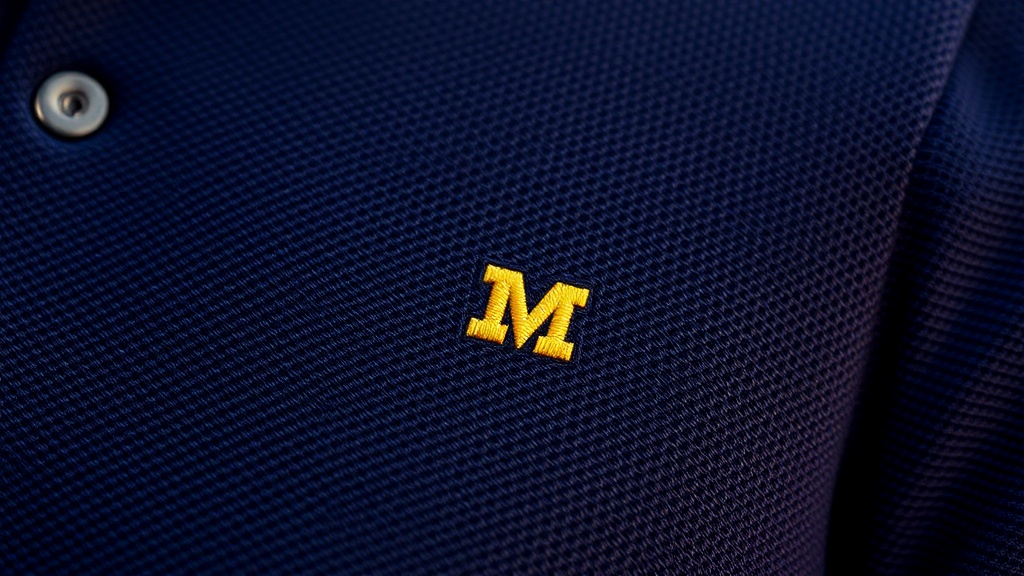
Pique knit (the classic golf shirt texture) is the most common polo fabric. It has a loose, dimensional weave that can shift under hoop tension. Always use a stabilizer rated for knits and hoop the garment snugly without stretching the fabric.
Performance (moisture-wicking) polos have a tighter weave that behaves closer to a woven fabric. These are more forgiving to hoop but require a water-soluble topping over the surface to prevent stitches from sinking into the mesh structure. Without the topping, the thread drops into the fabric holes and the finished logo lacks definition.
Placement Standards
Left chest: 3.5 to 4 inches wide, 3 to 4 inches below the collar seam, centered over the left pec. This is the universal corporate polo placement and most brand standards specify it exactly. Right chest: same dimensions, used for co-branded programs where both a company logo and an individual name or title badge area are required.
Design Complexity and Stitch Count
The reliable range for polo left chest embroidery is 4,000 to 9,000 stitches. Below 4,000 is a simple one or two-color mark. Above 12,000 stitches, pique knit puckers unless the polo is a high-quality double-knit or heavy pique. Fine detail, text below 1/4 inch tall, and photographic gradients are not appropriate for polo embroidery. Simplify the artwork or evaluate fauxbroidery before digitizing.
Color and Thread Selection
Corporate polo programs are typically ordered in bulk and need to match brand color standards consistently. Ask for Pantone references and match to the closest available thread color. Most programs use 1 to 3 colors. If the brand color does not thread-match closely, flag it before production rather than letting a near-miss ship on 100 polos.
Alternatives Worth Knowing
Fauxbroidery transfers press directly onto pique knit at 315°F for 15 seconds. The result is indistinguishable from machine embroidery at standard viewing distance. For high-color or high-complexity logos on corporate polos, fauxbroidery is worth quoting alongside traditional embroidery. Most buyers who see both a sample and the price difference choose fauxbroidery for anything outside the most traditional environments.
Sadie also wrote about
Embroidery vs Fauxbroidery Polos
Specialty transfer notes: what it is, when to use it.
Fauxbroidery Application Guide
Specialty transfer notes: what it is, when to use it.
Pricing Fauxbroidery
Specialty transfer notes: what it is, when to use it.
Press Temperature Guide
Press settings and heat-press setup notes.