
DTF Transfer Wash Test Results: How They Hold Up
We ran our transfers through 50 wash cycles at 40°C on cotton and poly blends. Here are the results, the conditions that produced them, and what the numbers mean for your finished product.
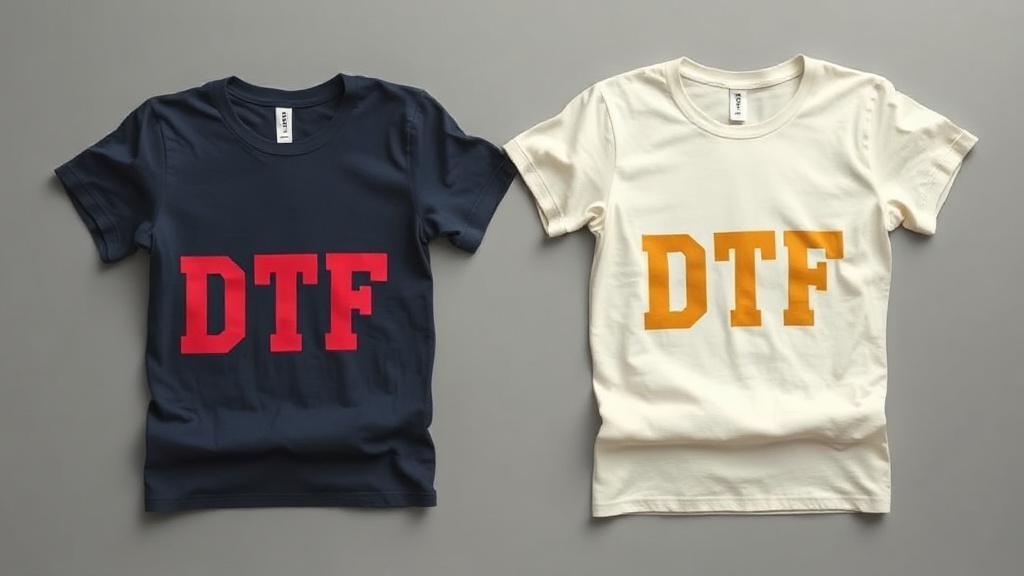
The Test Protocol
We ran 50 consecutive wash cycles at 40°C in a standard consumer washing machine using a non-biological detergent. Garments were tumble dried at medium heat after each cycle. We tested on 100% ring-spun cotton, 50/50 cotton-poly blend, and 100% polyester. Every garment was pressed at the correct setting for the fabric before the wash series began.
Results at 50 Wash Cycles
At 50 cycles, all three fabrics showed no cracking, peeling, or edge lift. Color density on cotton dropped approximately 8% compared to the original press result, which is consistent with what any dye-based print system delivers at that volume of washings. Poly and blends held closer to original density, losing less than 5%.
Stretch fabrics are the exception. Transfers on spandex blends will hold, but fine stress cracks can appear after 30 to 40 cycles in areas that stretch repeatedly, such as the sides of a fitted crop top or athletic leggings. If the substrate has significant two-way or four-way stretch, set expectations with customers accordingly.
Press Settings Matter More Than Anything Else
Under-pressed transfers fail washing tests. A transfer pressed at 280°F for 10 seconds on cotton does not fully activate the adhesive powder, and the bond degrades within the first 5 to 10 washes. Press cotton at 315°F for 15 seconds with medium-firm pressure. Press polyester at 285°F for 12 seconds. Use a calibrated press and test the platen for hot or cold spots before running production. An uneven platen produces uneven adhesion, and the transfer will delaminate at the under-pressed areas first.
Care Instructions That Extend Print Life
Inside-out washing is the single highest-impact care instruction for DTF-decorated garments. It reduces abrasion on the printed surface during the wash cycle and extends color vibrancy measurably past the 50-cycle baseline. Cold water and air dry extends durability further. Including a care tag or card with decorated products is a low-cost way to reduce customer complaints about print longevity on older garments.
What This Benchmark Means for Your Customers
50 washes at 40°C represents roughly 12 to 18 months of typical use for a garment washed weekly. At that benchmark, GoldenDTF transfers perform at or above conventional plastisol screen printing on cotton. That is a defensible claim to make to retail customers asking about print longevity, and it is the standard our USA-made commercial inks are designed to meet.