
Fashion Fit vs Traditional Fit Blanks
Fashion fit and traditional fit blanks size differently, shrink differently, and attract customers with different expectations, and choosing the wrong fit for your end market creates a sizing problem you cannot solve after pressing.
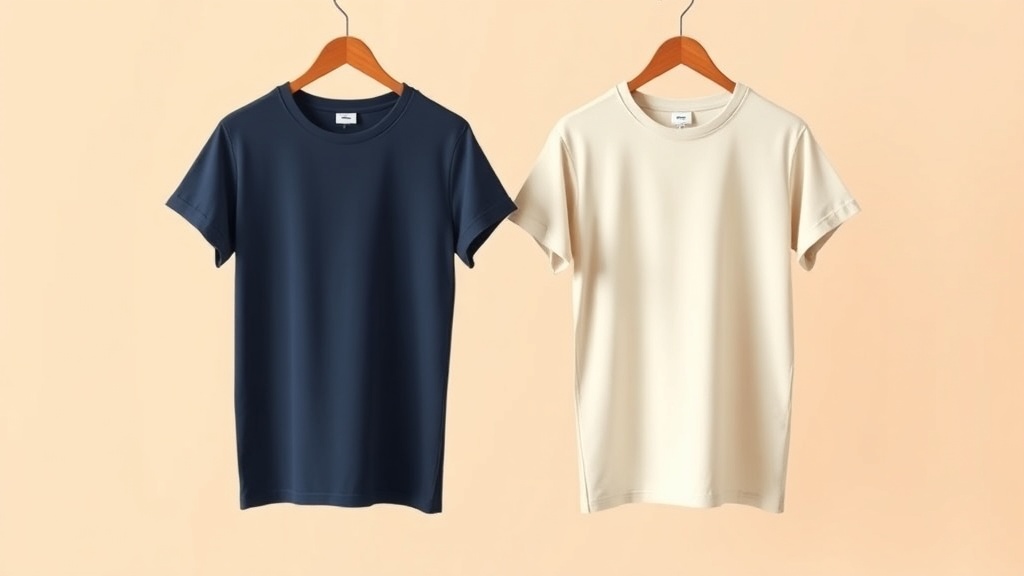
What Changes Between Fits
Traditional fit (also called unisex or classic fit) has wider shoulders, a straight or slightly tapered body, and a longer body length. It is designed to be comfortable across a range of body types and to be worn untucked with a relaxed silhouette. The Gildan 5000 is the textbook traditional fit blank.
Fashion fit (also called retail fit, slim fit, or tailored fit) has narrower shoulders, a tapered body that narrows from chest to hip, and a shorter body length. The Bella Canvas 3001 and Next Level 3600 are the most popular fashion fit blanks. They look intentional when worn tight and reveal posture when worn loose.
Decoration Placement Differences
Fashion fit tees have a narrower chest width, which means you have less horizontal print area at the same size than on a traditional fit tee. A 12-inch-wide chest design on a large Gildan 5000 may look centered and proportional. The same 12-inch design on a large Bella 3001 sits closer to the seams and can look oversized relative to the body of the shirt.
Reduce your standard design width by 0.5-1 inch when moving from traditional fit to fashion fit blanks. This is not a rule, but it is a useful starting point when adapting designs between blank types.
Retail Positioning and Pricing
Traditional fit blanks dominate the promotional, team, and event market. They are affordable, size-inclusive, and universally understood. Fashion fit blanks dominate the boutique, branded apparel, and retail market. Customers buying fashion fit are usually buying an aesthetic, and they are willing to pay for it.
A DTF print on a Bella 3001 retails for $5-10 more than the same print on a Gildan 5000 in most boutique markets, not because the print is different but because the blank and its fit signal a different product category to the customer.
Stocking the Right Mix
Most decorator businesses need both. Traditional fit for events, teams, and high-volume work. Fashion fit for branded clients, lifestyle brands, and boutique resale. Stocking both allows you to match the blank to the customer brief rather than forcing every customer into the same canvas.
When a new customer does not specify fit, ask about their end use. Event shirts with no re-sale: traditional fit. Brand launch with retail aspirations: fashion fit. The fit conversation is a chance to demonstrate expertise and build confidence with the customer before the order is placed.