
Spirit Wear Fundraiser Math: What a School Makes
School spirit wear fundraisers look easy from the outside. The math gets complicated once you factor in blank cost, decoration, platform fees, and a teacher who wants to add her own design. Here is how to build the model correctly.
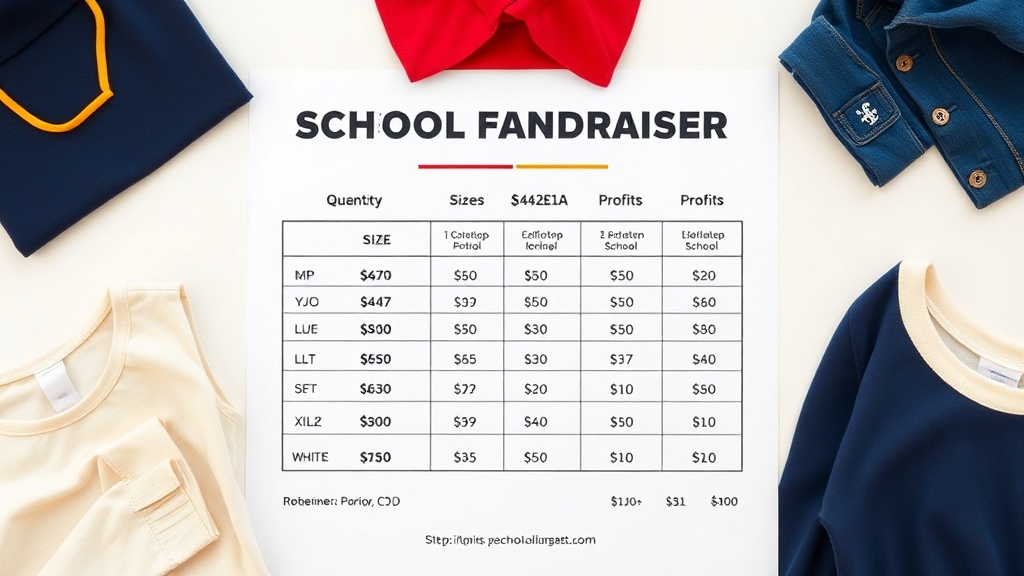
What a 60-Shirt Spirit Tee Fundraiser Looks Like
A Comfort Colors 1717 tee in a popular school color costs $9 to $12 wholesale. A full front DTF design at 11 by 11 inches costs $7.26 at base rate. On a 60-shirt order, your transfer spend is $435.60, which puts you just above the $250 discount tier. At 22 percent off, your per-shirt decoration cost is $5.66.
Total per-shirt cost: roughly $14.66 to $17.66 depending on blank choice. Price at $28 and you net $10.34 to $13.34 per shirt. On 60 shirts that is $620 to $800 in proceeds. If 20 percent of the run sells hoodies instead of tees at a $45 retail price, your total proceeds go up another $200 to $300.
Where Schools Leave Money on the Table
The most common mistake is ordering too few shirts because the organizer is nervous about unsold inventory. An order of 30 instead of 60 misses the volume discount and costs more per shirt. It also raises less money. Pre-orders solve this: you only print what you have sold.
The second mistake is choosing the wrong blank. A lower-cost tee saves $3 per blank but produces a shirt students are less excited to wear and less likely to buy at $28. The Comfort Colors premium pays for itself in higher conversion rates.
Handling Multiple Designs in One Order
If the school wants a tee for general sale and a separate teacher-only design, combine both designs into a single gang sheet order to maximize your discount tier. Ordering them separately, one at a time, means each order may fall below a discount threshold that a combined order would clear.
Keep designs to two at most for a first fundraiser. Every additional design adds complexity to order collection, inventory management, and pressing. A single great design at high quantity beats three mediocre designs at low quantity every time.
Setting a Realistic Proceeds Goal
A first-time spirit wear fundraiser for a school of 400 students realistically sells 60 to 100 units if promoted well through the school newsletter and a parent social group. Set your proceeds goal at what 60 units returns, then treat everything above that as upside.
Document your actual results: units sold by size, net proceeds, which grades ordered the most, and any unsold inventory. That data makes the next fundraiser more accurate and profitable.
Sadie also wrote about
Fundraiser Math Non Profit
Operational playbook for shops, teams, and organizations.
School Spirit DTF
Operational playbook for shops, teams, and organizations.
Launch Clothing Brand First 100 Units
First-run playbook for new brand founders.
Gang Sheet Pricing
How to plan, size, and price gang sheets for max yield.