UV DTF Transfers for Tumblers: Substrates and Prep
Tumblers are the most popular UV DTF substrate. Here is how to prep the surface, choose the right transfer type, and apply cleanly without bubbles or edge lift.
Tumbler Types and Their Behavior
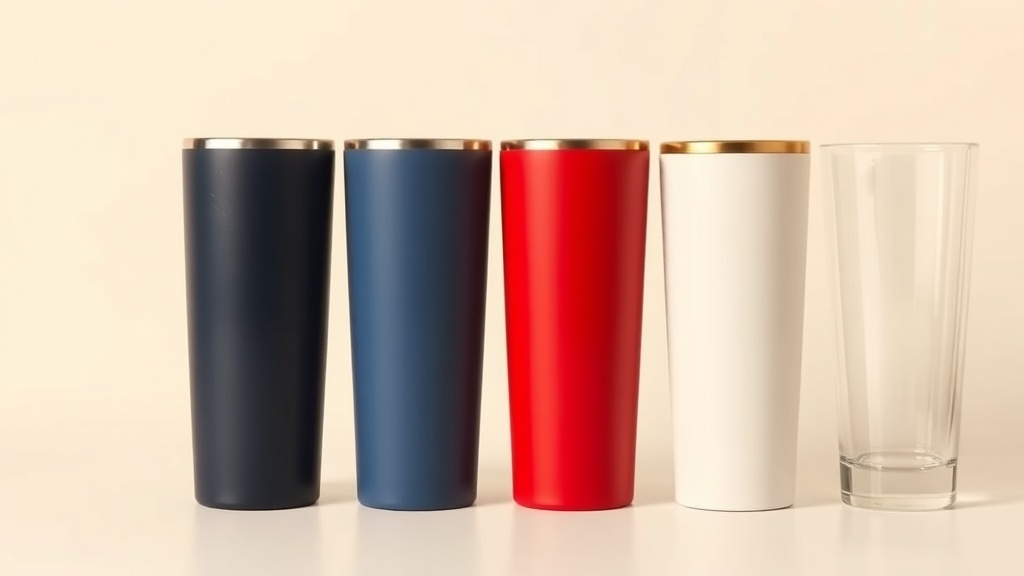
Standard stainless steel tumblers with a powder-coat finish are the most common UV DTF substrate. Smooth powder coat (matte or gloss) bonds reliably with full contact across the surface. Rough or heavily textured powder coat is harder to apply cleanly because air pockets form between the transfer adhesive and the surface variation.
Plastic tumblers: most rigid plastics work. Flexible plastic cups or bottles with significant wall flex are not a good UV DTF candidate because the transfer will crack at the flex point under normal use. Glass tumblers are an excellent substrate: non-porous, smooth, and consistent across the surface.
Surface Preparation
Clean the tumbler surface with isopropyl alcohol (70% or higher) before applying. Remove all oils, fingerprints, and manufacturing residue. A single fingerprint under the transfer will leave a visible bubble in the finished product that is impossible to fix after the adhesive cures.
Let the surface dry completely before applying. 30 seconds at room temperature is sufficient for IPA evaporation. Applying over a damp surface or a surface cleaned with water is the leading cause of adhesion failure on tumblers.
Transfer Sizing
Full-wrap designs should be sized to the exact circumference and height of the tumbler. Measure both dimensions before ordering. Full wraps should include a 0.125-inch overlap on the seam edge to prevent a visible gap.
Partial decals (label-style) are simpler to apply: measure the flat area you want to cover and order that size. A 4 x 3 inch decal on a 20 oz tumbler is the most common corporate and retail format for branded merchandise programs.
Rolling Application Technique
Peel the liner from the transfer, starting at one short edge. Align the transfer to the starting position on the tumbler, then slowly roll the tumbler away from you while holding the liner taut. This rolling technique prevents air bubbles by eliminating the gap between the transfer and the surface as you progress across the circumference.
After application, use a squeegee or the back of a credit card to press firmly from center to edges, working out any remaining bubbles.
Finishing and Quality Check
After application, run a thumbnail along all four edges of the transfer. Any lifted edge needs to be pressed back down immediately before the adhesive reaches full cure. Tumblers destined for retail, gift use, or corporate programs should sit undisturbed for 24 hours after application before being handled or packaged. Full adhesive cure time is typically 24 hours at room temperature.