UV DTF Substrate Guide: What Sticks, What Doesn't
UV DTF transfers work on dozens of hard substrates, but not every surface bonds the same way. This guide covers the most common materials, their prep requirements, and what to expect from each.
How UV DTF Adhesion Works
UV DTF transfers use a UV-cured adhesive layer that forms a mechanical bond with smooth, non-porous surfaces. The adhesive activates on contact under pressure and reaches full cure within 24 hours at room temperature. The cleaner and smoother the surface, the stronger the bond. Porous or textured surfaces reduce the contact area between the adhesive and the substrate, which weakens adhesion proportionally.
Excellent Substrates
These surfaces bond reliably and produce consistent results with standard prep and application.
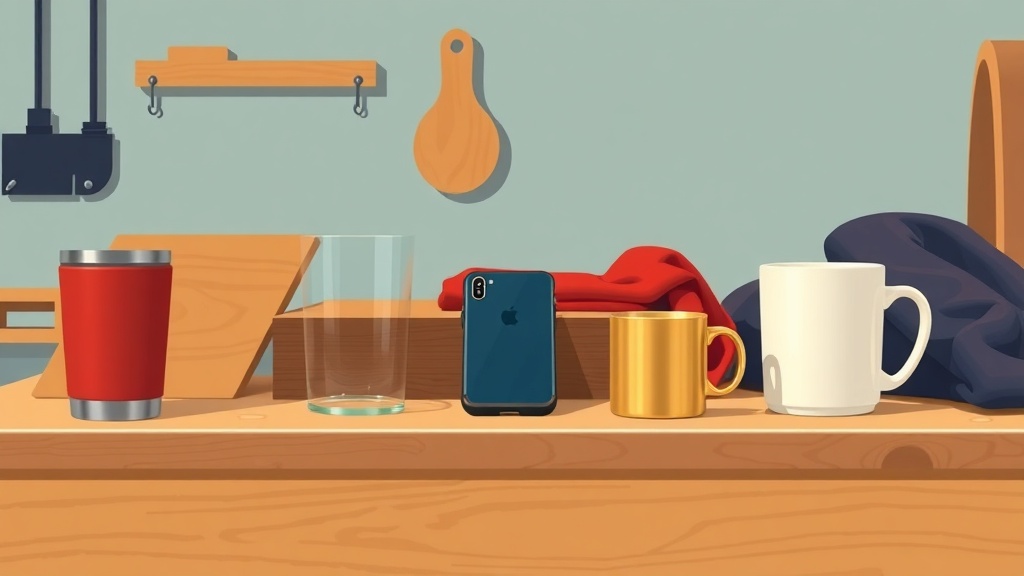
- Stainless steel (powder-coated or raw): reliable bond, excellent durability
- Glass: outstanding adhesion on clean, dry glass, flat and gently curved
- Acrylic (cast or extruded): one of the best UV DTF substrates available
- Ceramic (glazed mugs, tiles): strong bond on clean glazed surfaces
- Aluminum (anodized or painted): excellent for branded merchandise and signage
- Hard plastic (ABS, PET, polycarbonate): most rigid plastics work reliably
Acceptable Substrates With Preparation
These surfaces work well when prepared correctly but will underperform or fail without the additional prep step.
- Painted wood: seal the surface with a clear gloss coating before applying to reduce porosity
- Epoxy-coated tumblers: bond quality depends on the epoxy cure quality and surface smoothness
- PVC foam board: works at room temperature; avoid surfaces that flex under normal handling
- Rough powder coat: possible with adhesion promoter; expect reduced longevity vs. smooth finishes
Surfaces That Will Not Work
Flexible or soft materials: silicone, rubber, fabric, neoprene, and leather. UV DTF transfers are not engineered for flexible substrates. The adhesive layer will crack or peel at flex points. Use garment DTF for fabric applications.
Highly textured surfaces: rough concrete, unfinished stone, deeply textured powder coat, and grip-texture plastics. Contact area is too low for reliable adhesion regardless of prep.
Wax or release-coated surfaces: cooking tools, food-prep surfaces, and any substrate with a surface treatment that inhibits adhesion. High-heat service applications (above 200°F in regular use) will degrade the adhesive bond over time.
Surface Prep Protocol
Clean every substrate with 70% or higher isopropyl alcohol immediately before application. Let it evaporate fully (30 seconds minimum). Apply at room temperature. Avoid application in high humidity or cold shop conditions below 60°F because both reduce initial tack and slow the cure.
For marginal substrates, apply a UV-cure adhesion promoter to the substrate, let it dry for 60 seconds, then apply the transfer and press firmly from center to edge with a hard rubber squeegee. The adhesion promoter bridges the gap between the surface energy of the substrate and the adhesive layer, producing a stronger bond than direct application alone.